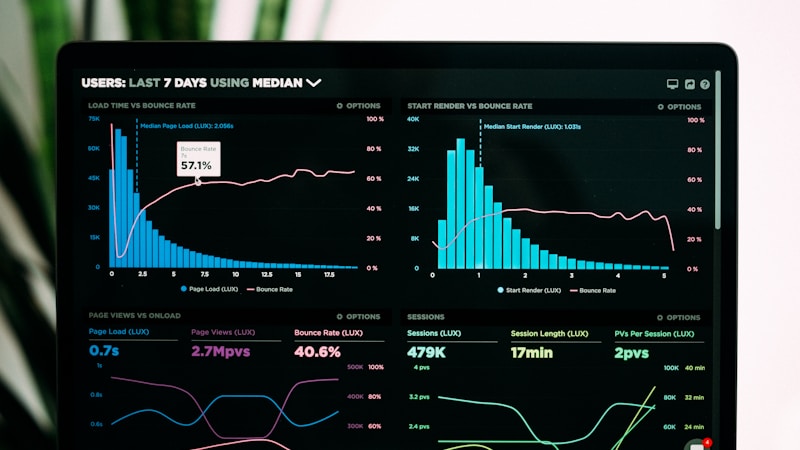
Google premia i siti che si caricano velocemente, rispondono rapidamente e rimangono stabili.
I Core Web Vitals sono un insieme di metriche del mondo reale che Google utilizza per misurare l'esperienza dell'utente. Sono costituiti da Largest Contentful Paint (LCP) - prestazioni di caricamento, First Input Delay (FID) - interattività e Cumulative Layout Shift (CLS) - stabilità visiva. Da quando sono diventati segnali di ranking nel 2022, i Core Web Vitals sono diventati essenziali per le prestazioni SEO. Secondo uno studio del 2025 condotto da SearchMetrics, le pagine che superano tutte le soglie Core Web Vitals si classificano in media più in alto del 30% rispetto a quelle che non lo fanno.
Noi di x13apps ottimizziamo ogni sito per i Core Web Vitals. Ecco come migliorare ogni metrica.
Ottimizza LCP (Largest Contentful Paint)
LCP misura il tempo necessario affinché l'elemento di contenuto più grande diventi visibile. Obiettivo: meno di 2,5 secondi. L'elemento LCP più comune è un'immagine hero o un blocco di testo di grandi dimensioni. Ottimizza le immagini: comprimi, utilizza formati di nuova generazione (WebP), carica lentamente le immagini sotto la piega e specifica larghezza e altezza per riservare spazio. Utilizza una CDN per fornire immagini da posizioni vicine all'utente.
Migliora i tempi di risposta del server: utilizza hosting veloce, una CDN e caching lato server. Riduci al minimo le risorse che bloccano la visualizzazione: incorpora CSS critici, rinvia JavaScript e precarica risorse chiave come immagini hero e caratteri. Un server ben ottimizzato e un frontend efficiente lavorano insieme per ottenere un LCP veloce.
Ottimizza FID (primo ritardo di ingresso)
Il FID misura il tempo che intercorre da quando un utente interagisce per la prima volta con la tua pagina a quando il browser può rispondere. Obiettivo: meno di 100 millisecondi. Il FID è influenzato principalmente dall'esecuzione di JavaScript. Suddividi le attività JavaScript lunghe. Utilizza la suddivisione del codice per caricare solo ciò che è necessario. Rinviare JavaScript non critico. Rimuovi JavaScript e CSS non utilizzati. Riduci al minimo l'impatto degli script di terze parti: controlla quali script di terze parti ti servono effettivamente e rimuovi il resto.
Utilizza gli strumenti per sviluppatori del browser per identificare le attività lunghe nel pannello Prestazioni. Ottimizza o rinvia gli script che causano ritardi. Prendi in considerazione l'utilizzo dei Web Worker per calcoli pesanti. Una pagina reattiva e interattiva mantiene gli utenti coinvolti.
Ottimizza CLS (cambio layout cumulativo)
CLS misura i cambiamenti di layout imprevisti durante il caricamento della pagina. Obiettivo: sotto 0,1. La causa più comune sono le immagini e gli incorporamenti senza dimensioni esplicite. Imposta sempre gli attributi di larghezza e altezza su immagini e video. Prenota spazio per annunci e incorporamenti. Utilizza le caselle delle proporzioni CSS per i contenuti multimediali reattivi. Evita di inserire contenuti sopra quelli esistenti dopo che la pagina è stata caricata: i contenuti dinamici dovrebbero spingere i contenuti esistenti, non spostarli.
Monitorare e mantenere
Utilizza il report Core Web Vitals di Google Search Console per identificare i problemi. Utilizza PageSpeed Insights per consigli specifici. Configura il monitoraggio degli utenti reali (RUM) per monitorare l'esperienza effettiva dell'utente nel tempo. L'ottimizzazione dei Core Web Vitals è in corso: nuove funzionalità, contenuti e script possono ridurre le prestazioni se non monitorati. Noi di x13apps creiamo siti che soddisfano le soglie Core Web Vitals e le manteniamo nel tempo. Per saperne di più leggi il nostroguida alle metriche delle prestazioni web.