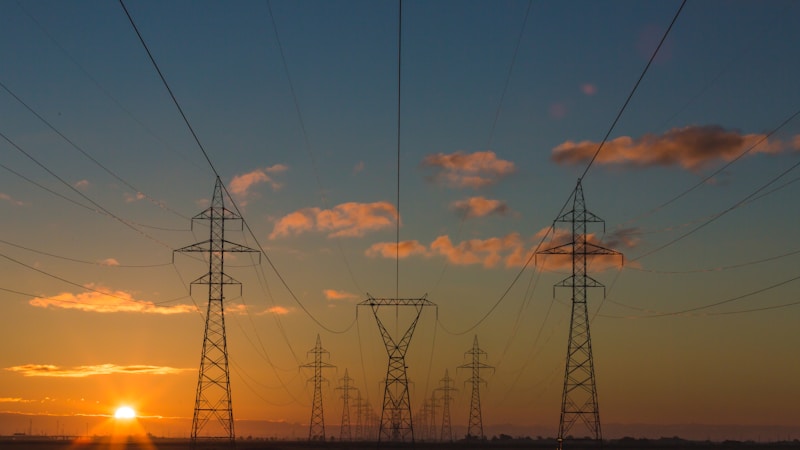
Dijital Ürünlerin de Karbon Ayak İzi Vardır.
İnternet, havayolu endüstrisiyle kıyaslandığında küresel karbon emisyonlarının yaklaşık %3,7'sini oluşturuyor. 2025 yılına gelindiğinde, web sitesi karbon emisyonları, çevreye duyarlı işletmeler için giderek artan bir endişe haline gelecektir. Tipik bir web sayfası, sayfa görüntüleme başına 1,76 gram CO2 üretir. Aylık 100.000 sayfa görüntülemesine sahip ortalama bir web sitesi yılda 2.112 kg CO2 üretiyor. Kullanıcıların %70'i sürdürülebilir markaları tercih ettiklerini söylüyor ve dijital sürdürülebilirlik, rekabette fark yaratan bir unsur haline geliyor.
x13apps olarak çevresel etkiyi en aza indiren web siteleri oluşturuyoruz. İşte sürdürülebilir web tasarım kılavuzumuz.
Web Sitesi Karbon Ayak İzinin Ölçülmesi
Sitenizin mevcut karbon ayak izini ölçmek için Web Sitesi Karbon Hesaplayıcı, Ecograder ve Beacon gibi araçları kullanın. Temel ölçümler: sayfa görüntüleme başına veri aktarımı, ziyaret başına enerji tüketimi, barındırma sağlayıcısının karbon yoğunluğu (yenilenebilir ve fosil yakıt enerjisi). Temel ölçümleri ayarlayın ve iyileştirmeleri izleyin. Yıllık CO2 emisyonlarını hesaplayın ve azaltma hedeflerini belirleyin. Geleneksel performans ölçümlerinin yanı sıra sürdürülebilirlik ölçümlerini de raporlayın.
Hafif Sayfalar Tasarlayın
Aktarılan her kilobayt veri enerji tüketir. Verimli tasarım sayesinde sayfa ağırlığını azaltın. Özel web yazı tipleri yerine sistem yazı tiplerini kullanın. Görüntüleri agresif bir şekilde optimize edin (WebP/AVIF formatları, duyarlı görüntüler, yavaş yükleme). JavaScript'i en aza indirin: kullanılmayan kodu kaldırın, ağaç sallamayı kullanın, kritik olmayan komut dosyalarını erteleyin. Animasyonlar ve efektler için JavaScript yerine CSS kullanın. Karanlık modu uygulayın: OLED ekranlarda karanlık mod, enerji tüketimini %40'a kadar azaltır. HTTP isteklerini azaltmak için sayfa düzenlerini basitleştirin.
Yeşil Barındırma ve Altyapı
Yenilenebilir enerjiyle desteklenen barındırma sağlayıcılarını seçin. Google Cloud, AWS (bölge seçimiyle) ve Azure karbon nötr seçenekler sunar. Daha küçük yeşil sunucular (GreenGeeks, Kualo) %100 yenilenebilir enerjiyle çalışır. Veri seyahat mesafesini azaltmak için CDN'leri kullanın. Sunucu işlemlerini azaltmak için uç önbelleğe almayı uygulayın. Kapasiteyi talebe göre eşleştirmek için verimli sunucu yapılandırmalarını ve otomatik ölçeklendirmeyi kullanın. Yapay zeka ve veri işleme iş yüklerinin enerji üzerindeki etkisini göz önünde bulundurun.
Sürdürülebilir Kullanıcı Deneyimi
Görev verimliliği için tasarım: Görevleri tamamlamak için daha az adım, daha az enerji tüketimi anlamına gelir. Sayfa yüklemelerini en aza indiren kolaylaştırılmış kullanıcı akışlarını uygulayın. Aşamalı geliştirmeyi kullanın: önce temel işlevler yüklenir, geliştirmeler talep üzerine yüklenir. Daha yavaş bağlantılar için tasarım yapın (yeniden denemelerde veri israfını azaltın). Kullanıcıları sürdürülebilir dijital uygulamalar konusunda eğitin. Taahhüdünüzü iletmek için yeşil sertifikalar ve rozetler alın. x13apps'te hem performanslı hem de gezegen dostu dijital deneyimler geliştiriyoruz. Daha fazlası için, makalemizi okuyunsesli arama optimizasyonu kılavuzu.