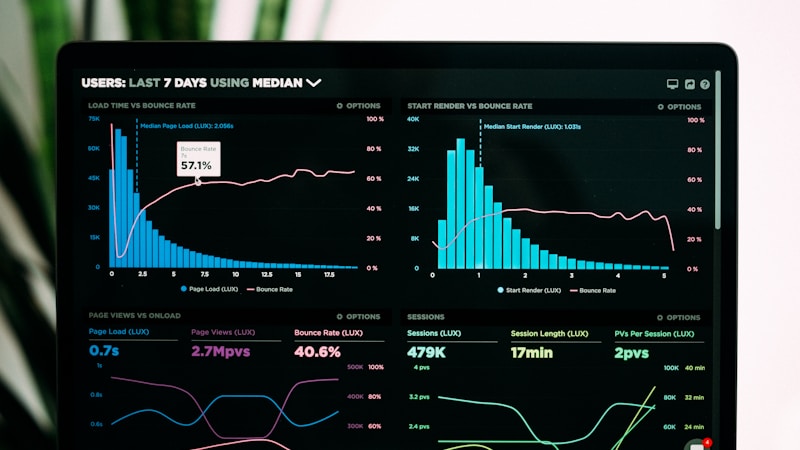
Gut Feelings Are Biased. Data Provides Clarity.
Data-driven decision making (DDDM) replaces intuition and hierarchy with evidence and analysis. According to a 2025 MIT Sloan Management Review study, organizations in the top third of data-driven decision making are 5% more productive and 6% more profitable than their competitors. PwC research found that highly data-driven organizations are 3x more likely to report significant improvement in decision-making. The advantage compounds over time.
At x13apps, we help businesses build data capabilities. Here is how to become a data-driven organization.
Building the Data Foundation
Data-driven decision making requires infrastructure. Start with data collection: ensure every customer touchpoint feeds into central systems. According to Experian 2025 Global Data Management Report, 85% of organizations say data is one of their most valuable assets, but only 43% have good data quality. Data hygiene — deduplication, validation, standardization — is the prerequisite for analytical value.
Data warehousing consolidates information from multiple sources. Cloud warehouses like BigQuery, Snowflake, and Redshift are accessible to small and mid-size companies. Data lakes complement warehouses by storing unstructured data. The modern data stack includes ETL/ELT tools (Fivetran, Airbyte), transformation layer (dbt), warehouse, and BI tools. According to a16z, the modern data stack reduces time to insight by 70% compared to traditional enterprise infrastructure.
Analytics Capability and Tools
Match analytics tools to user sophistication. Descriptive analytics (what happened?) uses BI tools for dashboards — Tableau, Power BI, Looker, Metabase. Diagnostic analytics (why did it happen?) uses deeper exploration. Predictive analytics (what will happen?) uses statistical modeling and machine learning. Prescriptive analytics (what should we do?) uses optimization algorithms.
Self-service analytics empowers business users to answer their own questions without waiting for data teams. According to Gartner, organizations with effective self-service analytics see 30-40% faster decision-making cycles. Provide governed self-service: pre-built data models for common questions, with the ability for power users to explore deeper.
Building a Data Culture
Technology is necessary but insufficient. Data culture — the norms and expectations around data use — determines whether investment delivers results. According to NewVantage Partners 2025 survey, 92% of respondents cite culture as the primary barrier to becoming data-driven, not technology. Leadership must model data use: asking what does the data say? in meetings.
Start with a single critical decision process and make it rigorously data-driven. Success builds credibility and appetite for expanding data use. At x13apps, we build data infrastructure and capabilities that power better decisions. For more, read our AI for business data analysis guide.