Данные без действий — это просто шум.
При принятии решений на основе данных используются факты, показатели и анализ данных для принятия стратегических бизнес-решений. Согласно исследованию McKinsey, проведенному в 2025 году, организации, основанные на данных, в 23 раза чаще приобретают клиентов, в 6 раз чаще удерживают клиентов и в 19 раз чаще становятся прибыльными. Несмотря на это, только 30% организаций имеют четко определенную стратегию обработки данных. По прогнозам, к 2026 году рынок бизнес-аналитики и аналитики достигнет 650 миллиардов долларов.
В x13apps мы помогаем предприятиям стать по-настоящему управляемыми данными. Вот наша основа.
Создание культуры, основанной на данных
Начните с поддержки руководства: руководство должно отстаивать решения, основанные на данных. Определите четкие ключевые показатели эффективности, соответствующие бизнес-целям. Инвестируйте в обучение грамотности данных для всех членов команды. Демократизируйте доступ к данным с помощью инструментов самообслуживания аналитики (Looker, Tableau, Metabase, Power BI). Установите методы управления данными: стандарты качества данных, владение данными и политику безопасности данных. Отмечайте победу данных: делитесь примерами решений, основанных на данных, которые улучшили результаты. Создайте культуру, в которой решения подвергаются сомнению и подтверждаются данными.
Выбор правильных показателей
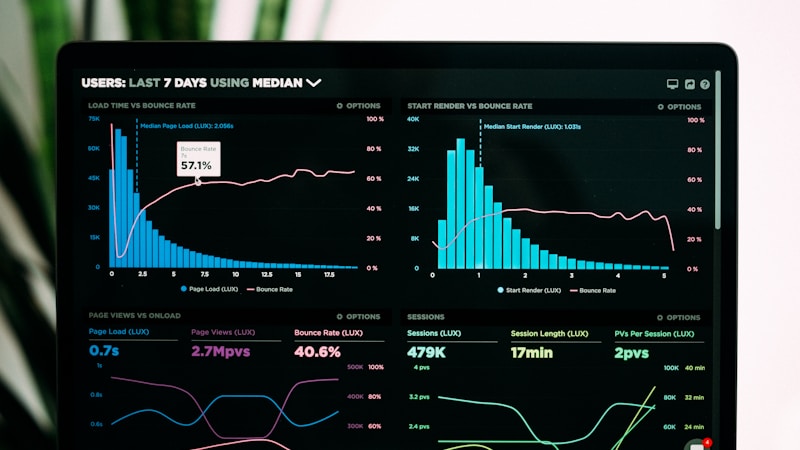
Сосредоточьтесь на действенных показателях (показателях, которые меняются вместе с вашими действиями), а не на тщеславных показателях (показателях, которые выглядят хорошо, но не влияют на решения). Используйте опережающие индикаторы (прогностические) и запаздывающие индикаторы (исторические). Внедрите OKR (цели и ключевые результаты), чтобы связать показатели со стратегическими целями. Создавайте информационные панели, на которых сразу отображаются ключевые показатели. Используйте показатели North Star: единый показатель, который лучше всего отражает ценность для клиентов. Для электронной коммерции это могут быть заказы в неделю. Для SaaS это могут быть ежедневные активные пользователи. Что касается контента, это может быть время взаимодействия.
Лучшие практики внедрения аналитики
Внедрите отслеживание событий с помощью плана отслеживания. Определите события, свойства и особенности пользователя перед реализацией. Используйте уровень данных для согласованного сбора данных. Внедрите отслеживание конфиденциальных данных на стороне сервера. Используйте хранилища данных (Snowflake, BigQuery, Redshift) для централизованной аналитики. Внедрите конвейеры ETL/ELT для интеграции данных. Используйте инструменты обратного ETL (Census, Hightouch) для синхронизации данных с операционными инструментами. Подтверждайте точность данных посредством регулярных аудитов. В x13apps мы создаем аналитическую инфраструктуру, которая превращает необработанные данные в конкурентное преимущество. Подробнее читайте в нашемРуководство по переходу на Google Аналитику 4.