Gut Feelings Are No Substitute for Data.
Data-driven marketing uses customer data and analytics to guide decisions. Instead of guessing what works, you know. According to a 2025 McKinsey study, companies that embrace data-driven marketing are 23x more likely to acquire customers and 6x more likely to retain them. Evidence-based marketing consistently outperforms intuition-based approaches.
Here is how to build a data-driven marketing practice.
Collect the Right Data — Not All Data Is Valuable
Focus on data connected to business outcomes: conversion rates, customer acquisition cost, lifetime value, and channel attribution. Avoid data hoarding — collecting everything without purpose creates noise. Define what you need to know before deciding what to collect. Start with 3-5 key metrics and expand as your analytics maturity grows.
Set up proper tracking before campaigns launch. Google Analytics, Google Search Console, CRM data, social media insights, and email platform analytics are foundational tools. Connect them for a complete picture — a CDP (Customer Data Platform) unifies data sources for comprehensive analysis.
Test and Learn with A/B Testing
A/B testing replaces opinions with evidence. Test headlines, images, offers, calls-to-action, email subject lines, landing page layouts, and pricing. Run tests one variable at a time for clear results. Let statistical significance guide decisions — minimum 95% confidence before declaring a winner.
Document test results in a shared repository. Tests that fail are as valuable as tests that succeed — they prevent repeating mistakes. A culture of testing compounds over time, with each test informing the next.
Build Reports That Lead to Action
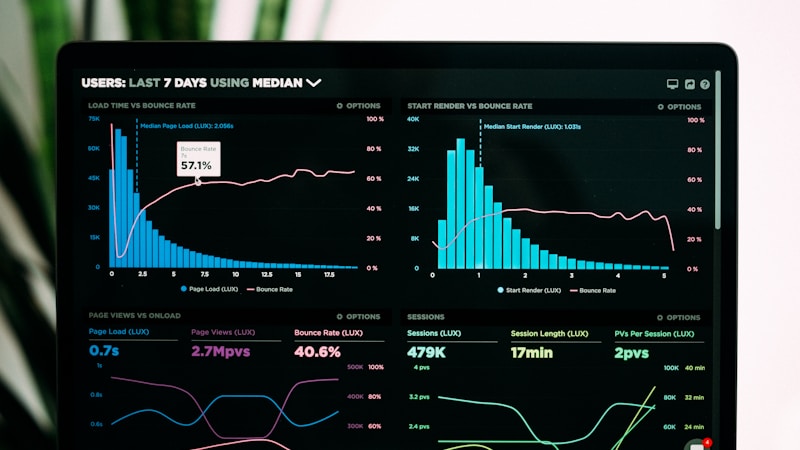
Create dashboards focused on key metrics. Share them with your team regularly in a consistent format. Data only creates value when it leads to action. End every report with recommended next steps. Review performance weekly at the tactical level and monthly at the strategic level.
Use data visualization to make insights accessible to non-technical stakeholders. A well-designed chart communicates more than a spreadsheet of numbers. At x13apps, we help clients build data-driven marketing systems that deliver measurable, improvable results.